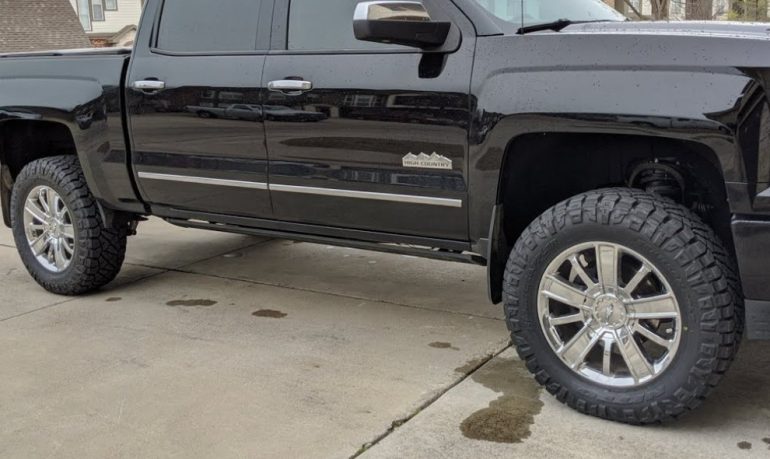
33 Inch Tires on Chevy Z71 Fitment
Owners of older full-size trucks often face the dilemma of selecting the right combination of wheels and tires. Modifications aimed at improving appearance and off-road potential sometimes bring questions about daily drivability. Choosing a set that influences clearance, handling, and comfort requires careful thought. In the case of this model year, the balance between style and function becomes especially noticeable when larger tires are discussed.
Key aspects of wheel size
Bigger wheels alter the way a vehicle reacts to bumps, steering input, and road feel. An 18-inch rim has its advantages, but it also changes how a 33-inch tire behaves compared to smaller wheel options. This shift affects flexibility of the sidewall, overall ride softness, and how suspension components are loaded. Larger diameters can create a sense of sturdiness on highways while limiting tire flex off the pavement.
Comparing two setups side by side
18 Inch Wheels with 33 Inch Tires
This setup tends to offer a more firm connection with the road. The reduced amount of sidewall compared to smaller wheels gives sharper responses during cornering. However, the same factor may lead to scrubbing when turning fully or when suspension compresses hard. Fender clearance becomes a central topic for this combination.
Smaller Wheels with 33 Inch Tires
When paired with smaller rims such as 16-inch, the tire has a thicker sidewall and can better absorb irregularities. This softness can reduce the chance of scraping inside the wheel wells. The look might be less aggressive, yet ride comfort increases on uneven terrain and stress on suspension geometry lessens.
Handling differences
Steering feel changes between configurations. With a shorter sidewall, the steering response becomes more immediate but sometimes harsher at low speeds. More sidewall flex means smoother ride quality but slightly slower feedback. For those using the truck both on highways and trails, this distinction creates a clear decision point.
Advantages and disadvantages
- Stronger road contact and stylish stance with larger wheels.
- Greater comfort on rocky terrain using smaller wheel diameters.
- Risk of tire scrub during sharp turns if clearance is insufficient.
- Possible need for trimming fenders or adjusting suspension height.
Durability considerations
Long-term durability is affected not only by driving habits but also by tire sidewall characteristics. Less cushioning can place stress on ball joints and shock absorbers. On the other hand, a thicker sidewall absorbs more energy from bumps, protecting hardware but creating increased heat at higher speeds.
When modifications are required
In many cases, installing 33s with 18-inch wheels requires some additional work. A leveling kit or mild lift may be enough to prevent unwanted rubbing. Sometimes fender trimming is necessary, depending on offset and suspension wear. Owners need to analyze driving conditions before committing to an installation.
Feature comparison in real use
Highway Driving
An 18-inch wheel with a 33-inch tire provides solid stability on straight stretches. Noise levels may increase slightly, but cornering precision is enhanced. The look of the truck becomes more aggressive, contributing to an appearance valued by enthusiasts.
Mixed Terrain and Off-road
Smaller wheels with the same tire size usually perform better off-road. The extra sidewall flex allows airing down for improved grip on sand or mud. The overall ride is smoother across rutted tracks, which appeals to those frequently leaving paved roads.
Things to check before upgrading
- Measure the space inside wheel wells thoroughly.
- Inspect suspension components to ensure they are in good condition.
- Decide whether a lift kit or leveling kit is needed.
- Choose proper offset to minimize rubbing issues.
- Consider the type of driving you will be doing most often.
Visual impact and style
Some drivers focus on aesthetics as much as performance. Larger wheels paired with tall tires make the vehicle look bold and robust. At the same time, the choice involves compromise between sleek road stance and flexible off-road capability. That tension in decision making is part of the truck customization culture.
In conclusion, the question Will 18 Inch Wheels and 33 Inch Tires Fit a 2000 Chevy Z71 Without Scrubbing does not have a one-size-fits-all answer. Much depends on suspension setup, driving style, and preference for comfort or sharp handling. By comparing both larger and smaller wheel approaches, it becomes clear that each brings trade-offs. A driver seeking highway precision may lean toward the bigger rim, while an owner favoring rough terrain will prefer more sidewall.